
Manoel de Oliveira
Biography
Manoel de Oliveira was born in Porto, Portugal on December 11, 1908, to Francisco José de Oliveira and Cândida Ferreira Pinto. His family were wealthy industrialists. Oliveira attended school in Galicia, Spain and his goal as a teenager was to become an actor. He enrolled in Italian film-maker Rino Lupo's acting school at age 20, but later changed his mind when he saw Walther Ruttmann's documentary Berlin: Symphony of a City. This prompted him to direct his first film, also a documentary, titledDouro, Faina Fluvial (1931). He also acted in the second Portuguese sound film, A Canção de Lisboa (1933). His first feature film came much later, in 1942. Aniki-Bóbó, a portrait of Oporto's street children, was a commercial failure when it opened, and its merit only came to be recognised over time. This drawback forced Oliveira to abandon other film projects he was involved in, and to dedicate himself to running his family vineyard. He re-emerged onto the film scene in 1956 with The...
Known For
Top 40 Movies
Guest
2011
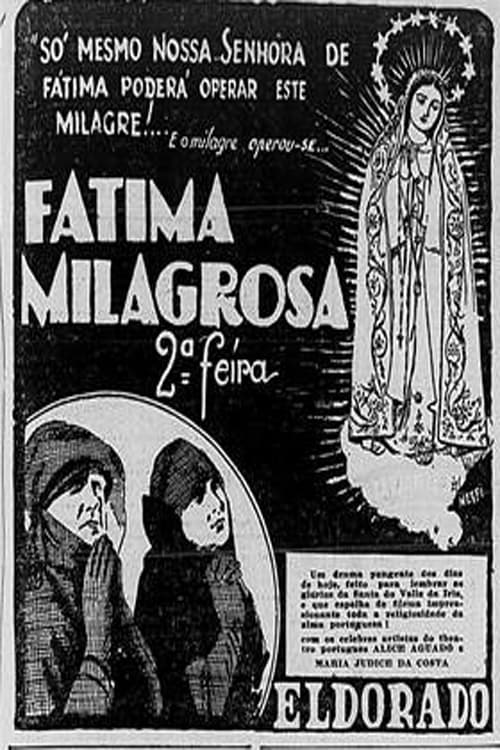
Fátima Milagrosa
1928
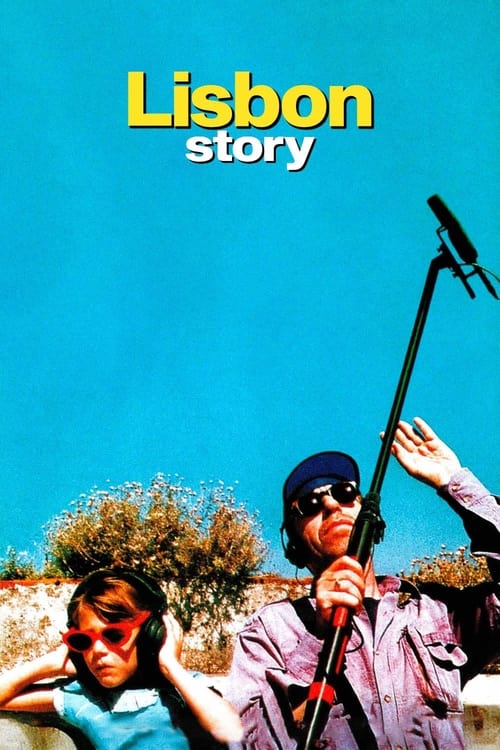
Lisbon Story
1994

Cinématon
1978

A Song of Lisbon
1933
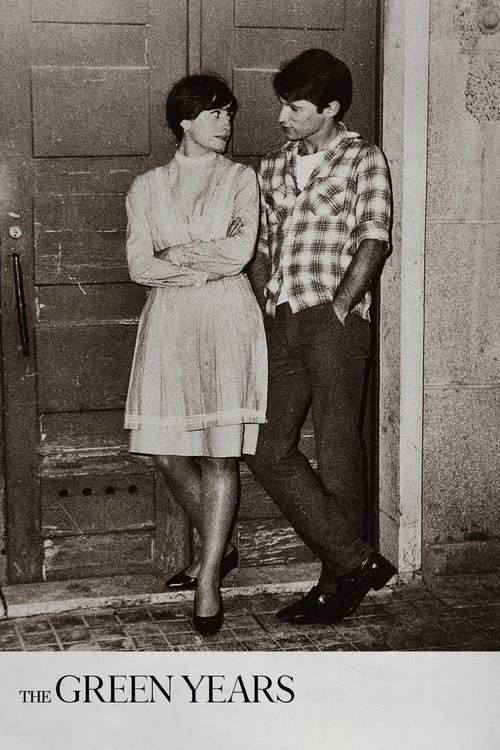
The Green Years
1963
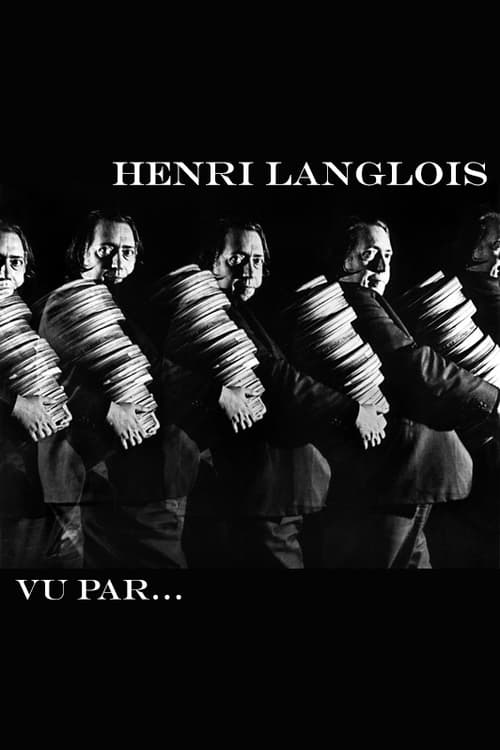
Henri Langlois vu par...
2014

No, or the Vain Glory of Command
1990
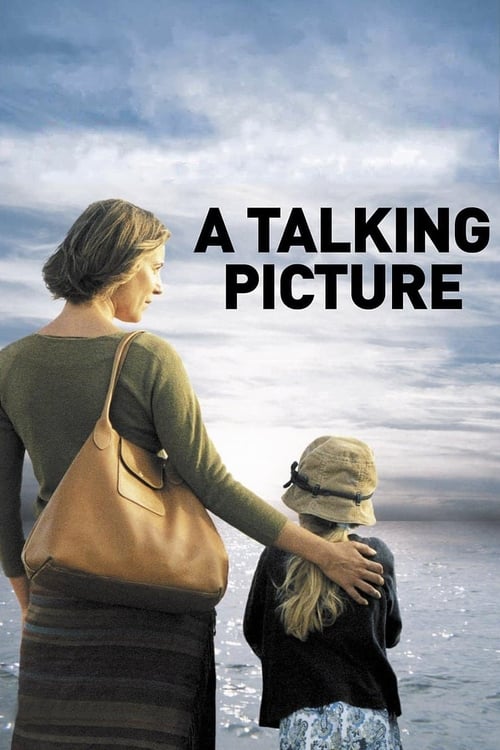
A Talking Picture
2003
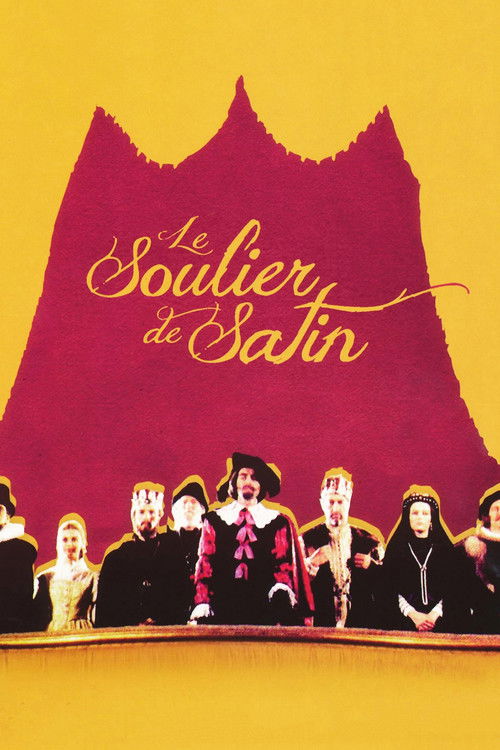
The Satin Slipper
1986

The Life of Mirrors
2025
Sodankylä Forever
2010
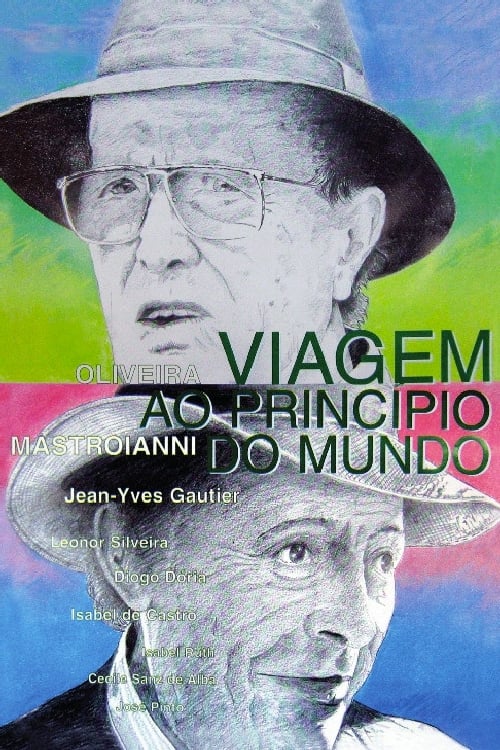
Voyage to the Beginning of the World
1997
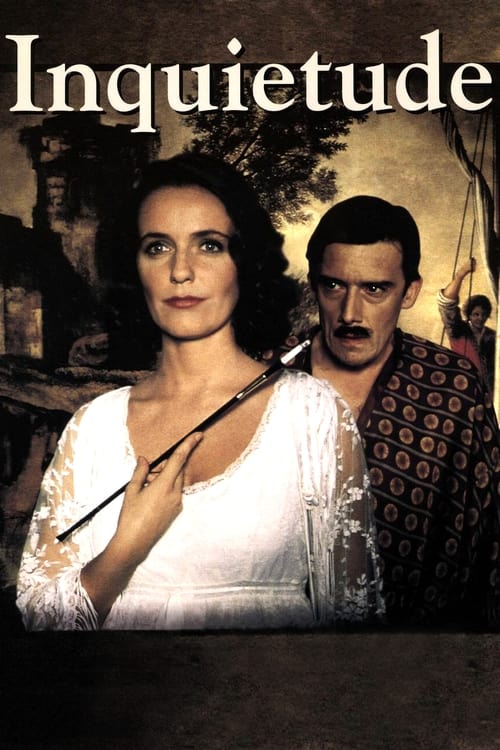
Inquietude
1998
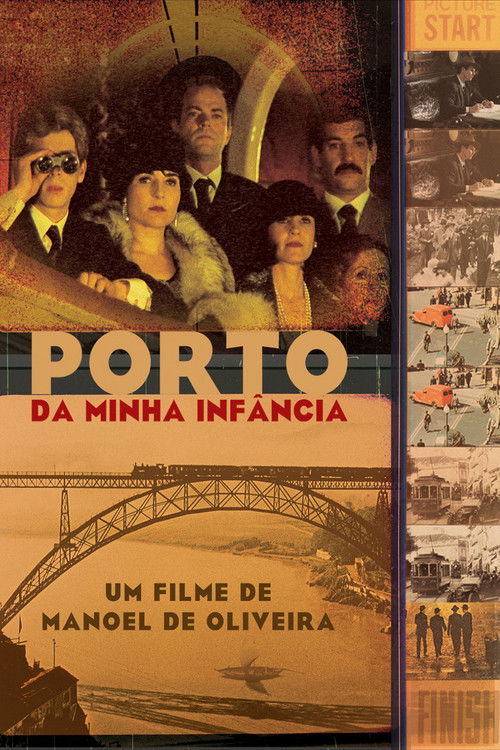
Porto of My Childhood
2001
Christopher Columbus, The Enigma
2007

Biette
2013
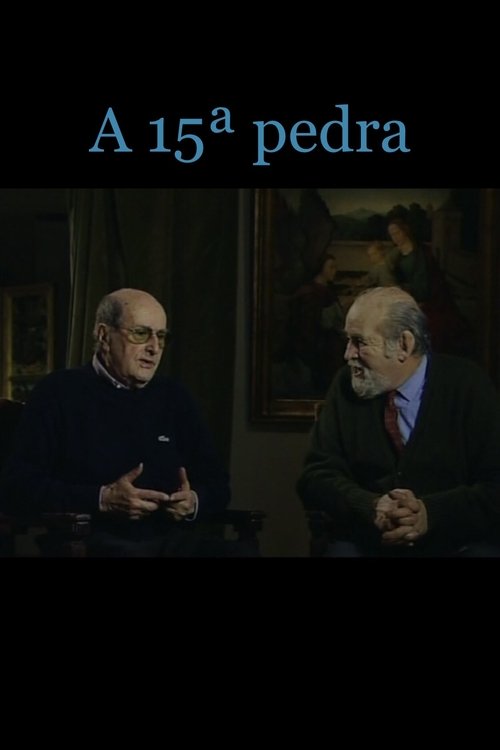
The 15th Stone
2007
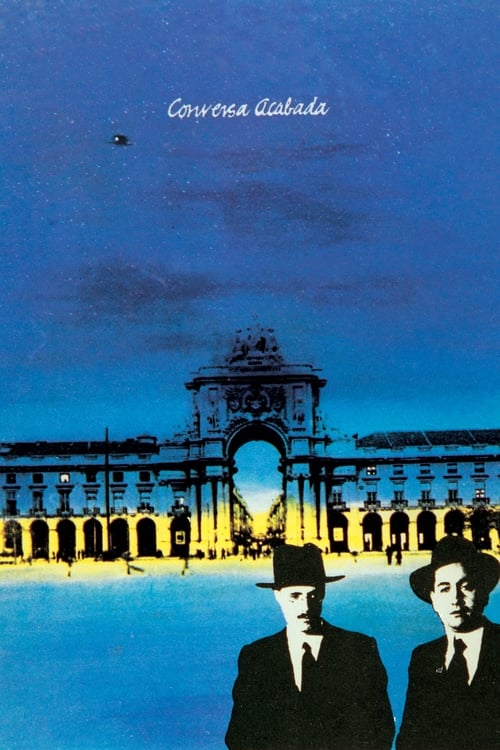
The Conversation Is Over
1982
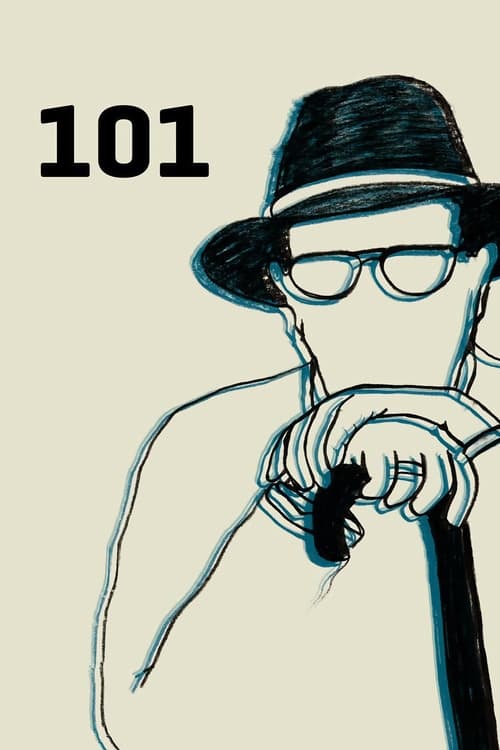
101
2012
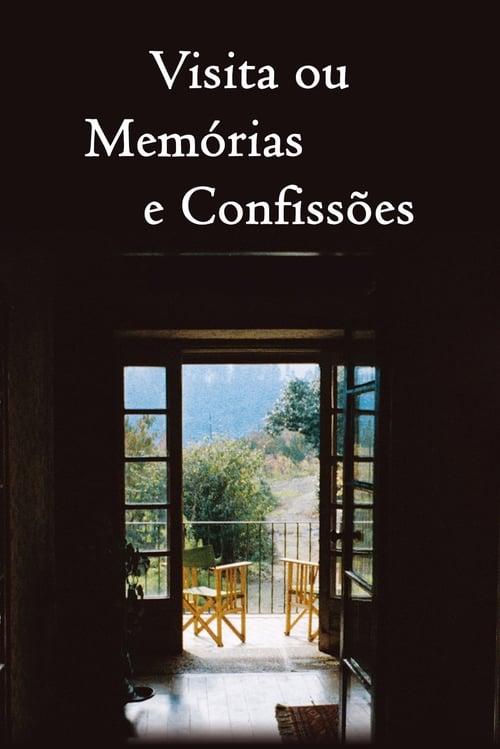
Visit, or Memories and Confessions
2015
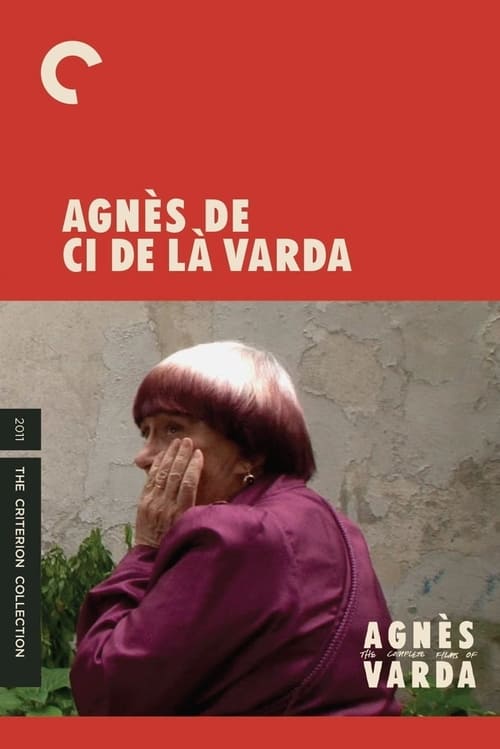
Agnès Varda: From Here to There
2011

Jornal Português (1938-1951)
2015
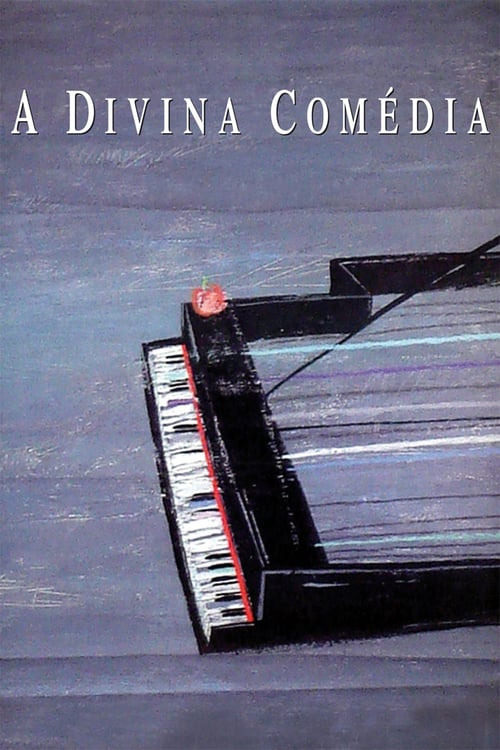
The Divine Comedy
1991
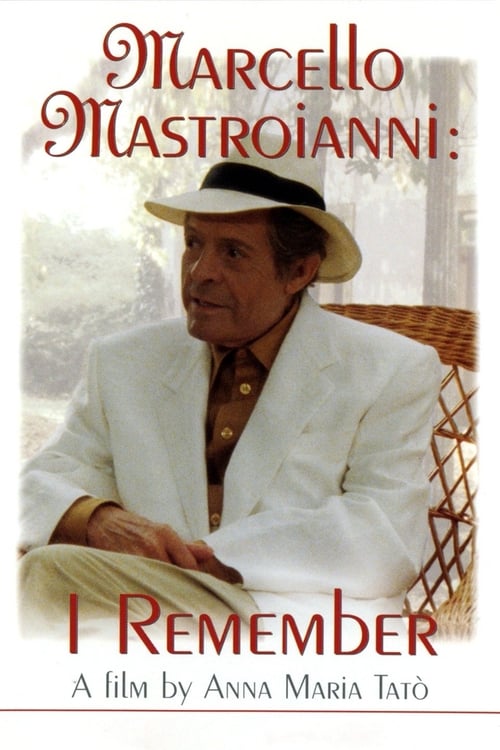
Marcello Mastroianni: I Remember
1997
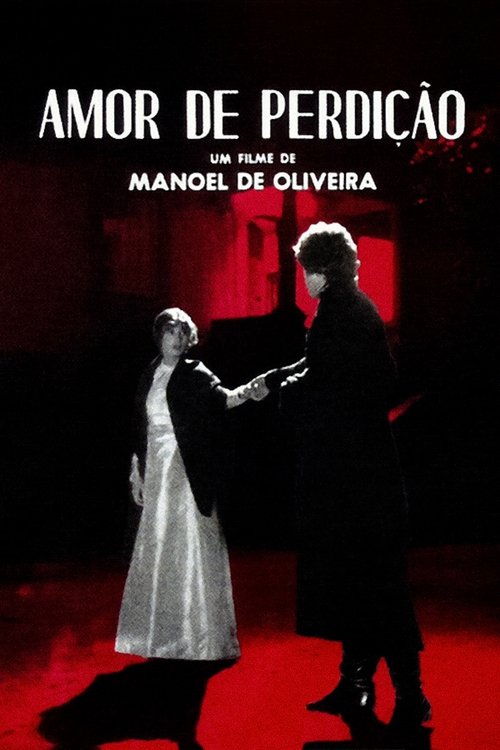
Doomed Love
1979
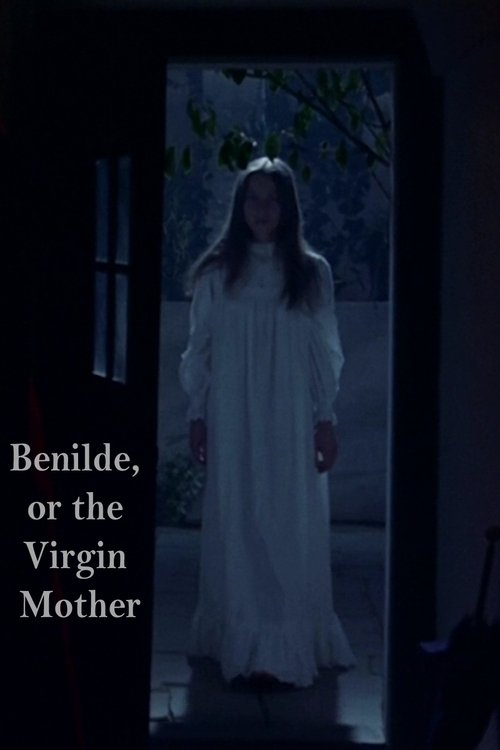
Benilde or the Virgin Mother
1975
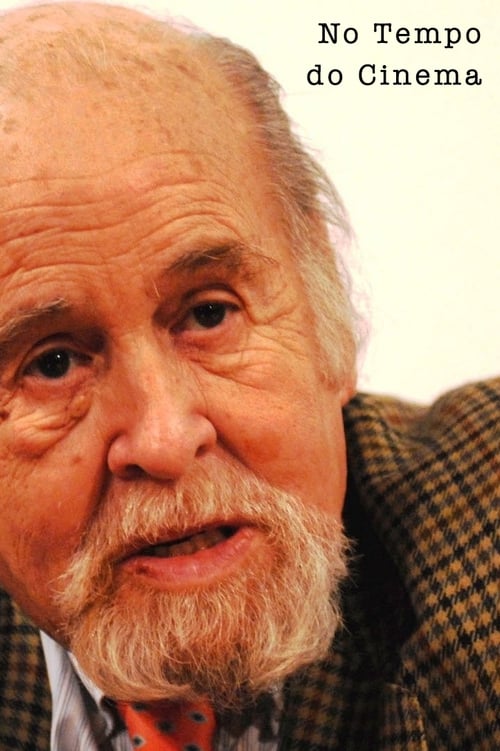
No Tempo do Cinema
2006
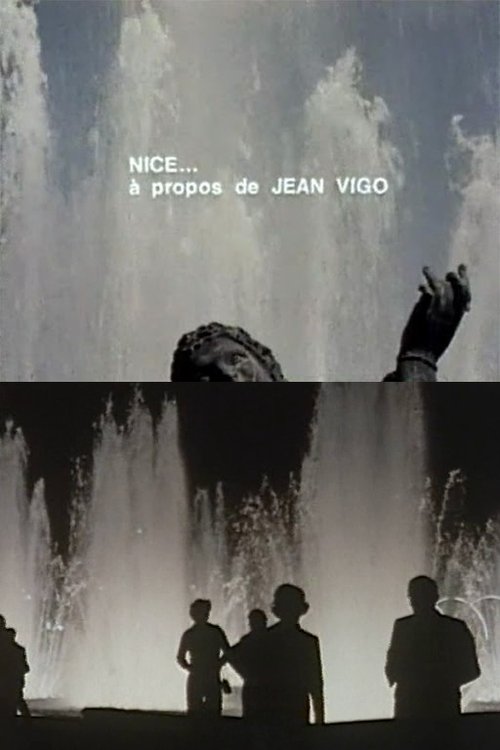
Nice - À propos de Jean Vigo
1983
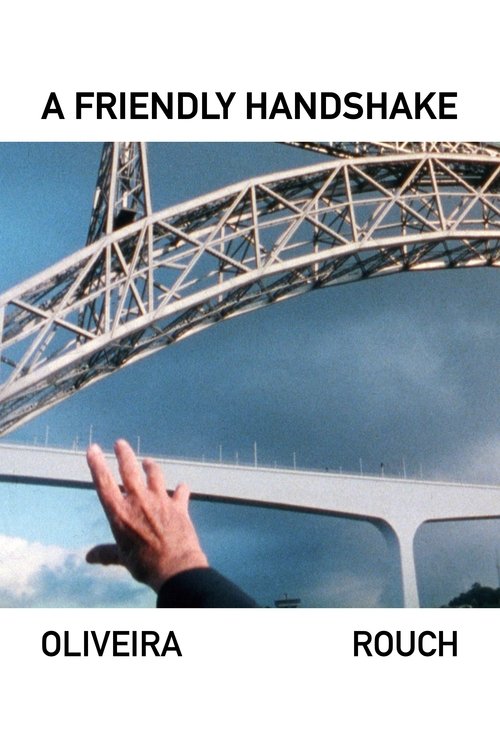
A Friendly Handshake
1997
O Improvável Não é Impossível
2006
Manoel de Oliveira, O Caso Dele
2007
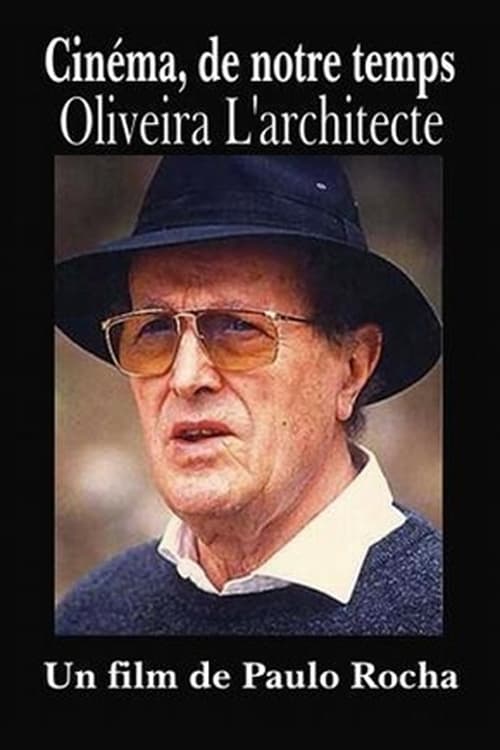
Oliveira, l'architecte
1993

The Glory of Filmmaking in Portugal
2015
Conversazione a Porto
2006
Agostinho da Silva - A Living Thought
2003

Cinématon n°102 : Manoel de Oliveira
1981